The secret to bonsai
As many bonsai experts say, the secret is in the soil mix. I have unintentionally killed hundreds of cuttings and yamadoris just because I didn’t have the right bonsai soil mix even in the presence of a rooting hormone. This my friend is the reason why I realized that knowing the right and best DIY bonsai soil mix is important to discuss. Best alternative to Akadama soil
In Japan and in most western countries, bonsai hobbyists commonly use akadama. Akadama soil is not readily available in the Philippines. Most of the time you have to buy it and it comes with a price. Nobody wants to spend money on something they can get for free. Our fellow enthusiasts found that the use of river sand is the best option.
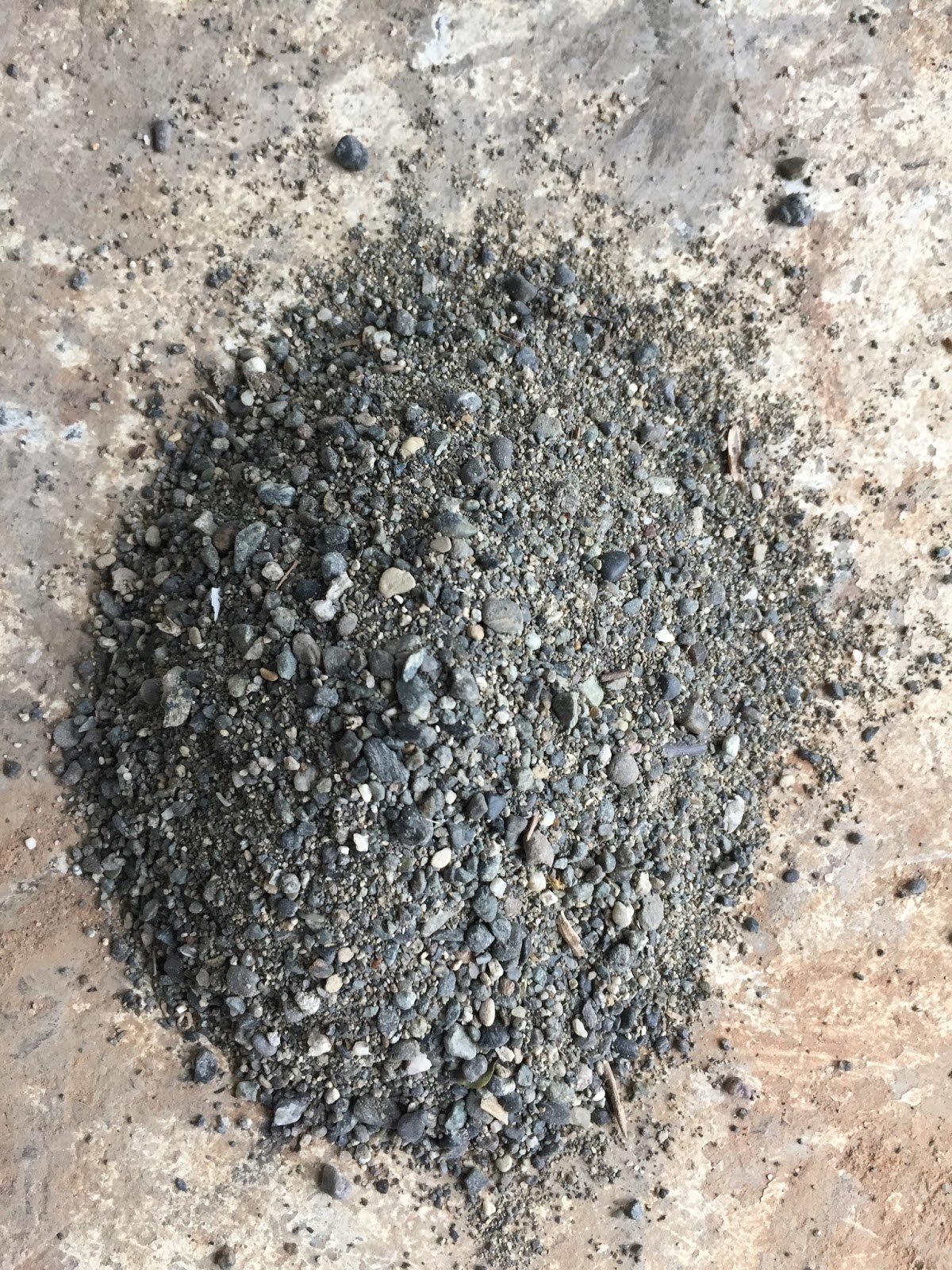
Sand taken from freshwater rivers (also used as concrete construction material) has proven its efficacy and with its amazing results, it has gained popularity among our local bonsai hobbyists. Some bonsai hobbyists are also using pumice. I tried it myself and I was amazed by its results.
A volcanic by-product, pumice are stones full of cavities and very low in density. It is abundant in many areas of Luzon.
Riversand VS. Pumice
I would vote for pumice as an alternative soil additive. Pumice is more effective than river sand for obvious reasons. The little holes on it hold moisture and the roots just love that. It is also very lightweight.
Since I live on an island (Mindoro) where there is no volcano, my only best option is to buy pumice (which is not practical but an expensive option). In this case, I still end up using river sand most of the time. That’s fine. At least I get to keep my trees alive using free resources.
DIY Bonsai Soil Mix
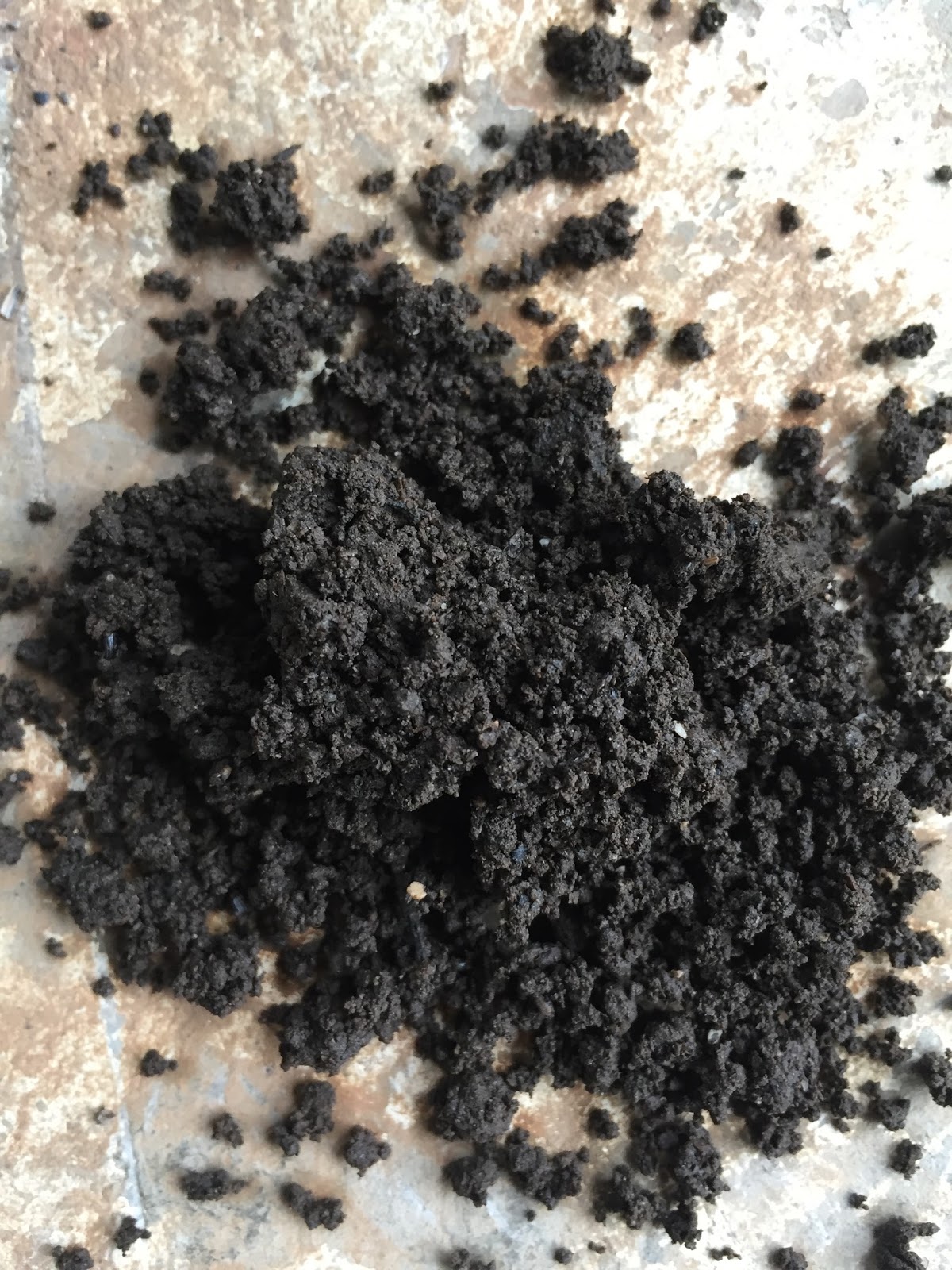
Yes, river sand is working. It does the job but it lacks the ability to hold enough moisture and nutrients. I am not talking as an expert but as someone who has experience. And believe me, when you were in my situation, you would explore more options. Then, I decided to try other things such as adding coco dust, charcoal, loam soil, even bark and dried leaves, and many other materials. So worked but not as many results as a combination of fine river sand + carbonized rice hull + rice hull + vermicast.
In my own words not as a chemical scientist, why do I think that this soil mix is in fact working? Well, the results say it all, and here are my assumptions:
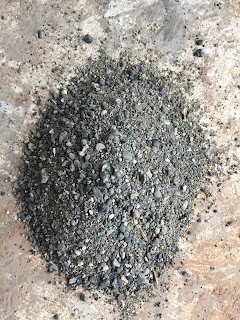
30% Riversand – for good drainage
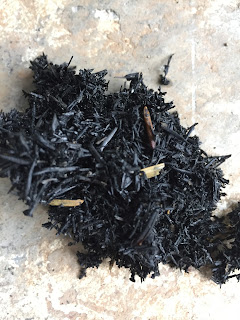
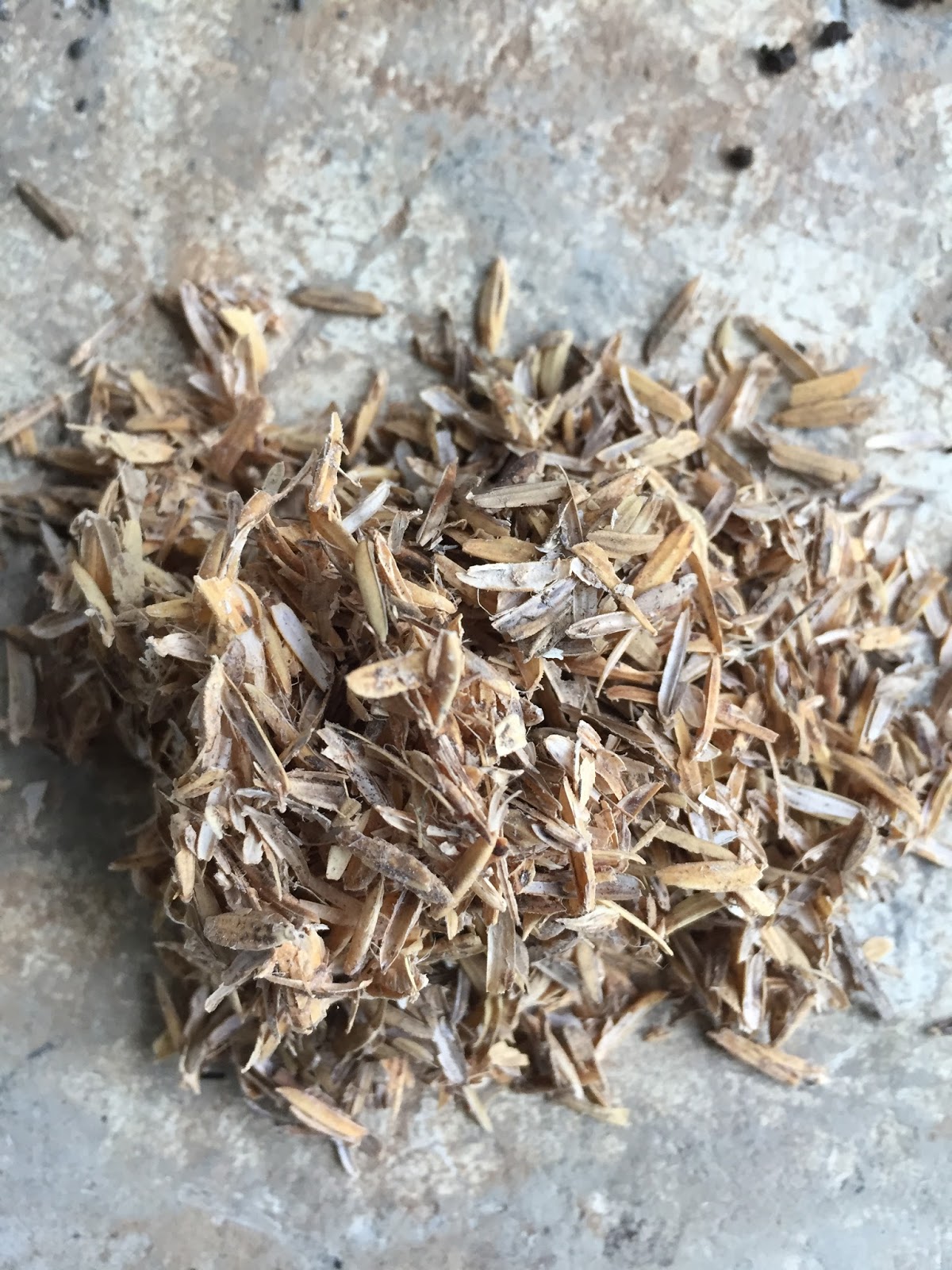
30% Carbonized rice hull – holds enough moisture
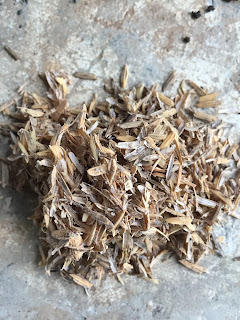
30% dry rice hull – promotes aeration and eventually becomes added soil conditioner when degraded
Please let me know what your thoughts are. Have you tried other DIY bonsai soil mixes? Did it work?




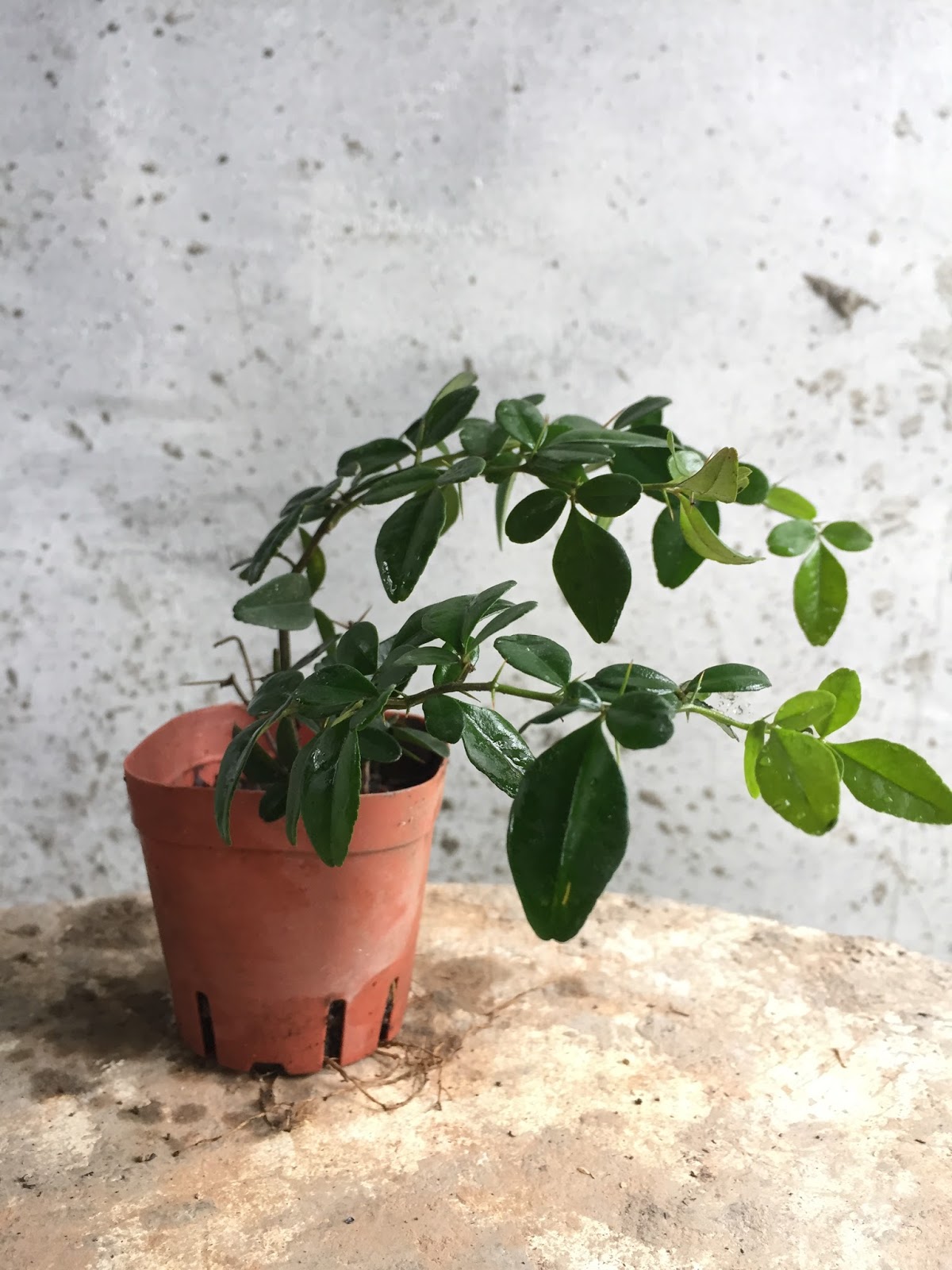
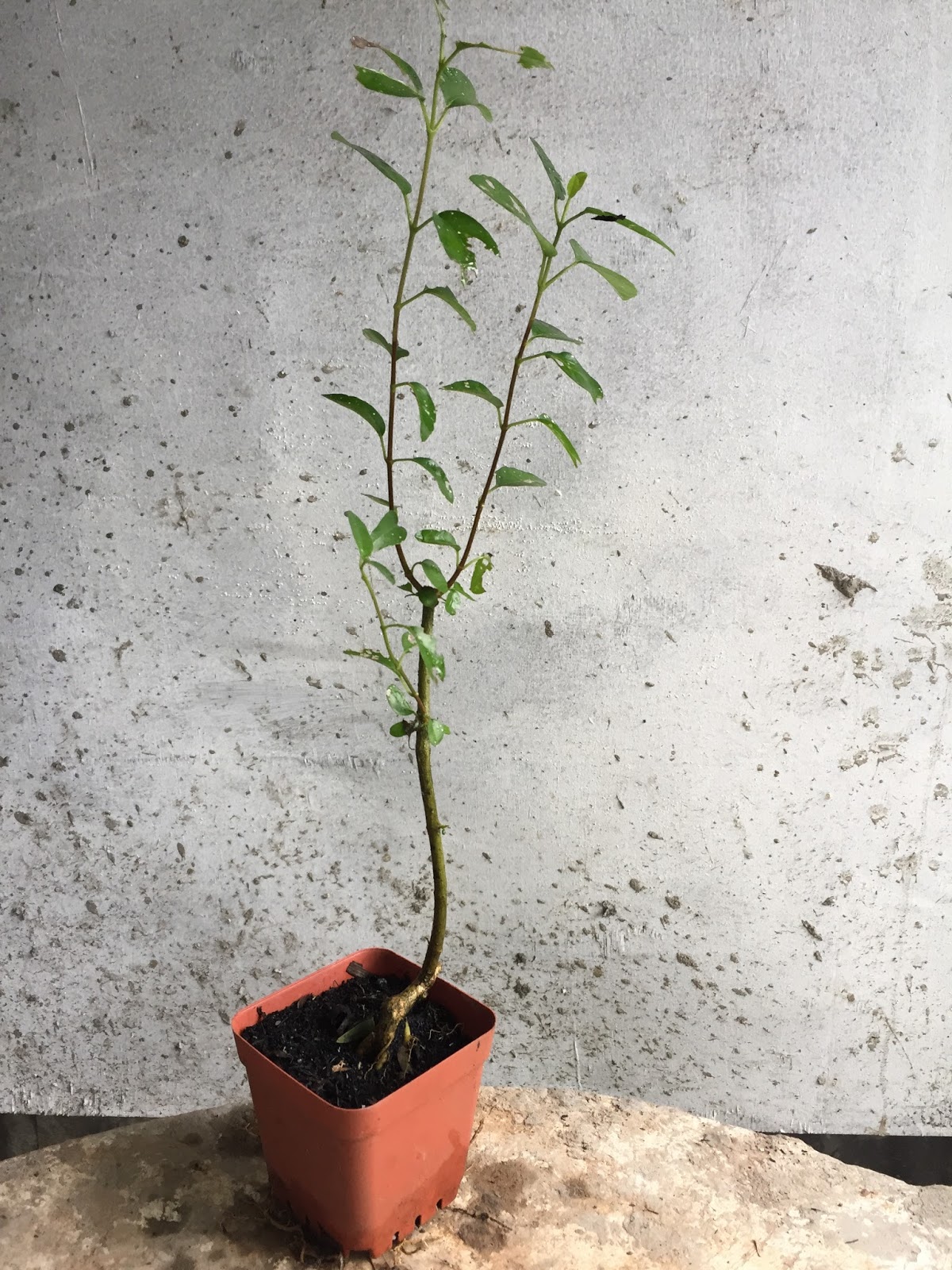
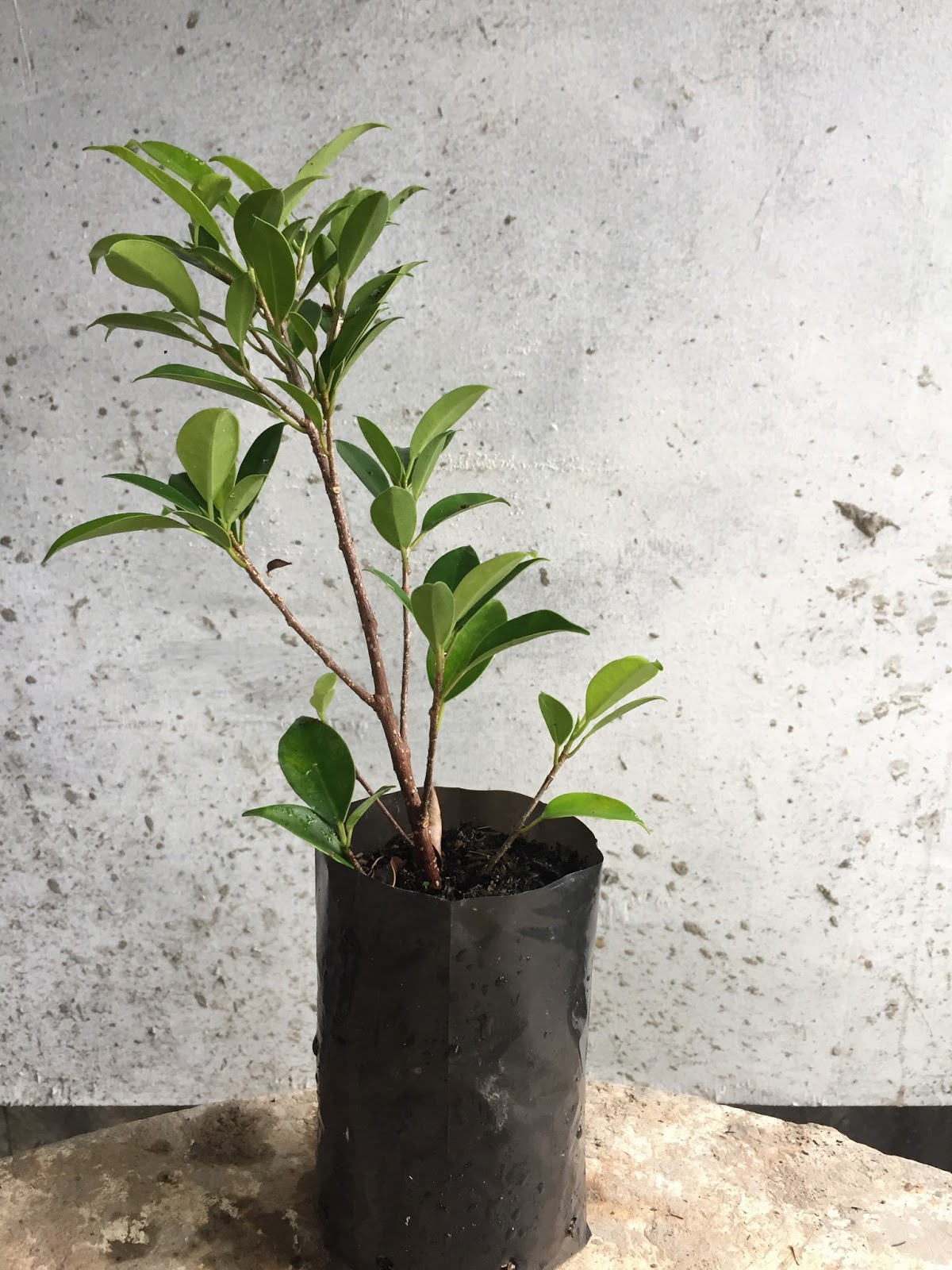
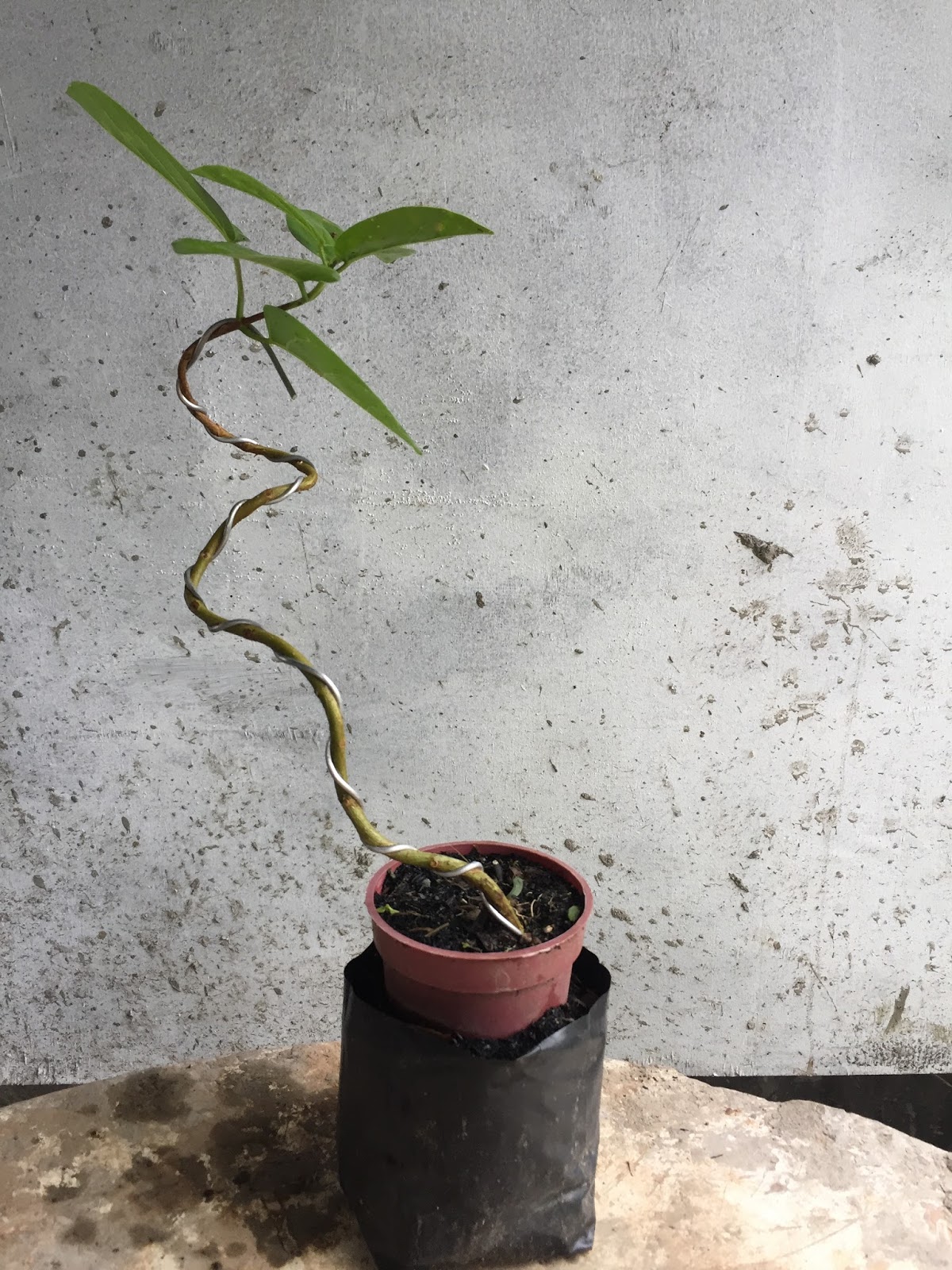



where do i buy
rice hull and
carbonized rice hull
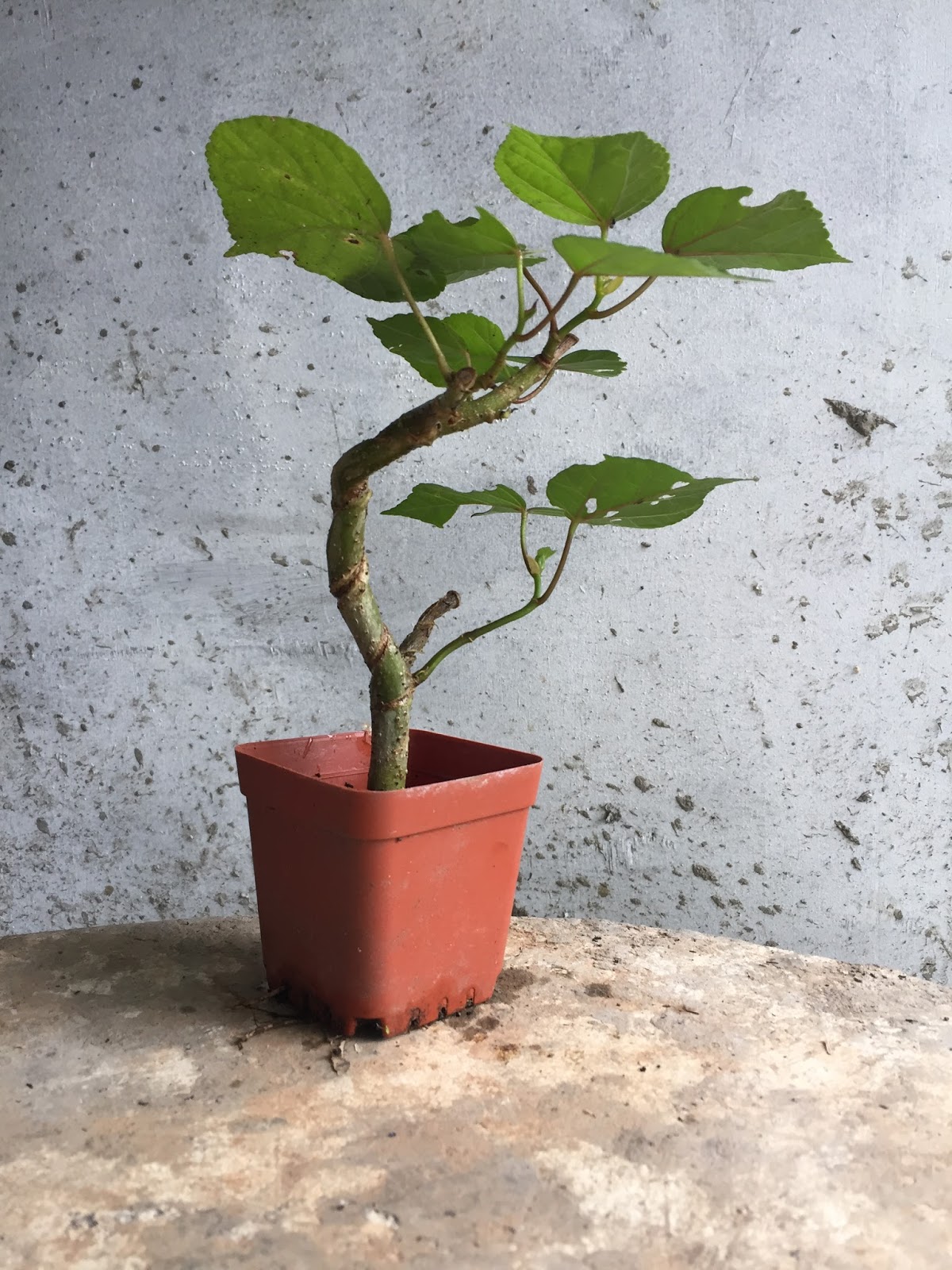
What is your success rate with propagation of Streblus asper cuttings? Is it difficult to grow. What methods do you use in planting? It's very difficult to get the roots intact while collecting it . I have collected a tree, size of a cricket bat handle, removed the upper portion, leaving a length of about 15 inches, and planted in a pot. But I treat it as a cutting since I didn't dig deep and got only a few structural roots on the plant. Wondering how I can make it survive and how long will it take if it does survive!!! Is wrapping/covering with plastic necessary like I saw some people doing it on YouTube? I am from North-East India and I do believe we have similar climatic conditions here as yours.
Thank you for sharing your bonsai soil mix. Local substitutes is what I’m looking for…and here it is! Thanks again!!!